
DR. AKBAR SUPER SPECIALITY EYE HOSPITAL

What is Cataract?
A cataract is the clouding of your eye’s natural lens—similar to looking through a foggy or dusty window. This condition blocks light from passing clearly to the retina, causing blurred vision and difficulty with everyday tasks. Cataracts develop gradually and are a leading cause of vision loss, especially in older adults, but can be safely and effectively treated through advanced surgical techniques.
What Causes Cataracts?
Cataracts typically develop due to the natural aging process of the lens in the eye. However, other factors that contribute to cataract formation include:
Aging
Diabetes or Hypertension
Prolonged Steroid Use
UV Radiation Exposure
Family History
Eye Trauma
Type of IOLs
Type of IOLs (Intraocular Lenses) Used in cataract surgery
| Lens Type | Description |
|---|
| Lens Type | Description |
|---|
| Monofocal IOL | Provies clear vision at a single distance, typically for far vision. Glasses may still be needed for reading or computer work. |
| EDOF (Extended Depth of focus) | Offers sharp vision across distance, intermediate, and near ranges. Minimizes halos and glares, reducing dependence on glasses. |
| Multifocal IOL | Delivers clear vision at multiple distances-far, near, and intermediate-without glasses. Some patients may notice halos/glare. |
| Toric IOL (For Astigmatism) | Specifically designed to correct astigmatism (cylinder > 0.75). Available in monofocal, EDOF, and Multifocal options. |
Advanced Cataract Surgery Options
Advanced Cataract Surgery Options
Phacoemulsification (Phaco) Surgery
Ultrasound-based lens removal with small incision
Micro Incision Cataract Surgery (MICS)
Even smaller incision, faster healing
Zepto Cataract Surgery
Automated precision capsulotomy device
Robotic Femto Laser Cataract Surgery (FLACS)
AI-based bladeless laser surgery for highest precision
Cataract Surgery
Diagnosis & Technology
We use world-class diagnostic and surgical systems to ensure best-in-class results
Different Types of Cataracts
Different Types of Cataracts
Rosette Cataract
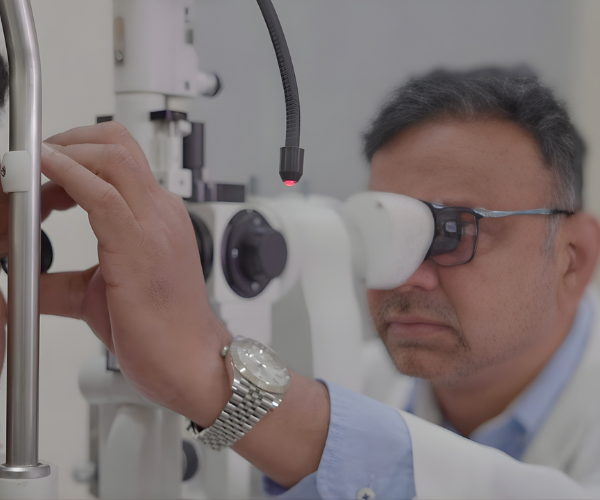
A rosette cataract features a flower-shaped opacity in the eye’s lens, usually following blunt or penetrating trauma. It can cause blurred vision, glare, and poor night vision. Diagnosis is made using a slit-lamp exam, and cataract surgery restores clarity once vision becomes significantly impaired.
Traumatic Cataract
A traumatic cataract develops after an eye injury that disrupts the lens fibers, causing clouding. Symptoms may appear immediately or gradually, including blurred or distorted vision. Early evaluation is vital to rule out other trauma-related damage. Surgery is recommended when the cataract interferes with daily visual tasks.
Subcapsular Cataract
A subcapsular cataract forms at the back or front of the lens capsule, often linked to diabetes, steroid use, or aging. It causes glare, light sensitivity, and difficulty reading in bright light. Early detection and cataract surgery can effectively restore clear vision and improve visual comfort.
Surgery Procedure
Glaucoma surgery aims to lower eye pressure by improving fluid drainage. Under local anesthesia, a small opening or drainage device is created to allow aqueous fluid to exit the eye more easily. The procedure is usually quick, painless, and helps prevent further optic nerve damage and vision loss.
How to Prepare for Cataract Surgery
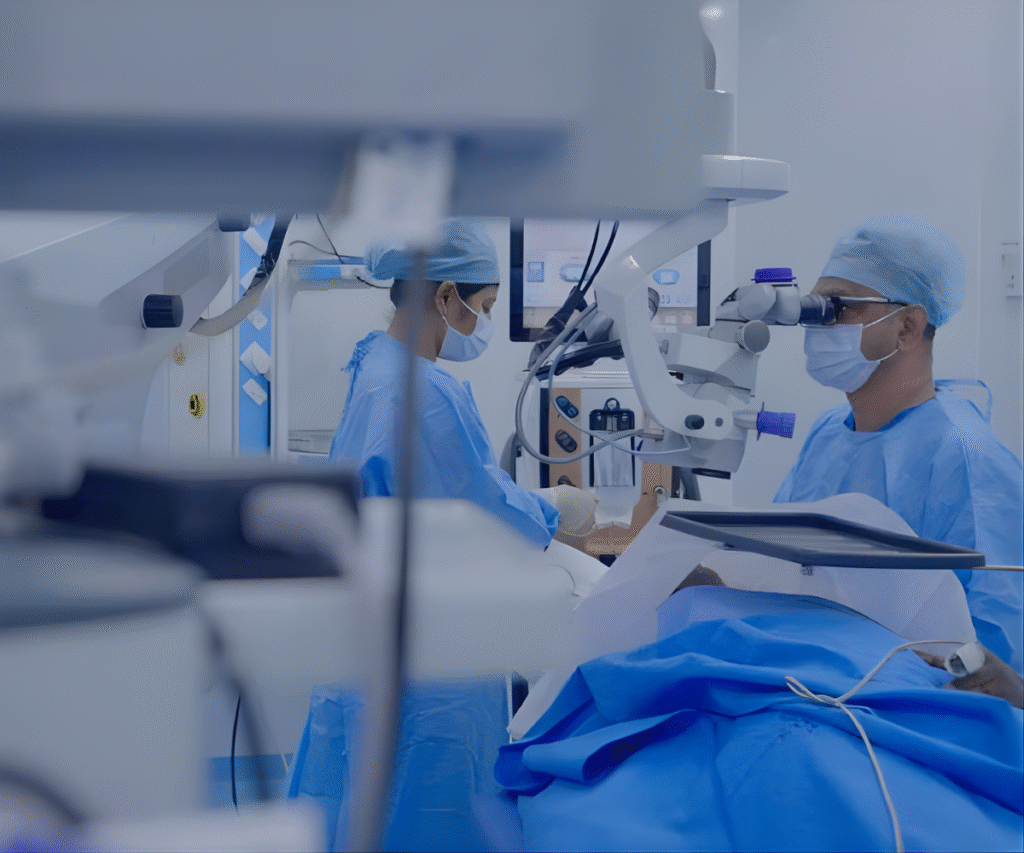
- Comprehensive Consultation: Schedule a detailed eye examination with our cataract specialist to assess your eye health and plan your surgery.
- Counsellor Guidance: Our experienced counsellor will help you understand the different types of cataract procedures – such as Robotic Cataract Surgery, Femto Laser Cataract, or Micro-Incision Phaco Surgery – and assist you in selecting the most suitable Intraocular Lens (IOL) for your visual needs and lifestyle.
- Stop Contact Lenses: If you wear contact lenses, stop using them at least 3–5 days before surgery to allow your corneas to return to their natural shape.
- Pre-Surgery Eye Drops: You may be prescribed antibiotic or anti-inflammatory eye drops before surgery to minimize infection risk.
- Plan Transportation: Arrange for a family member or friend to drive you home after the procedure, as your vision may be temporarily blurred.
What Happens During Cataract Surgery
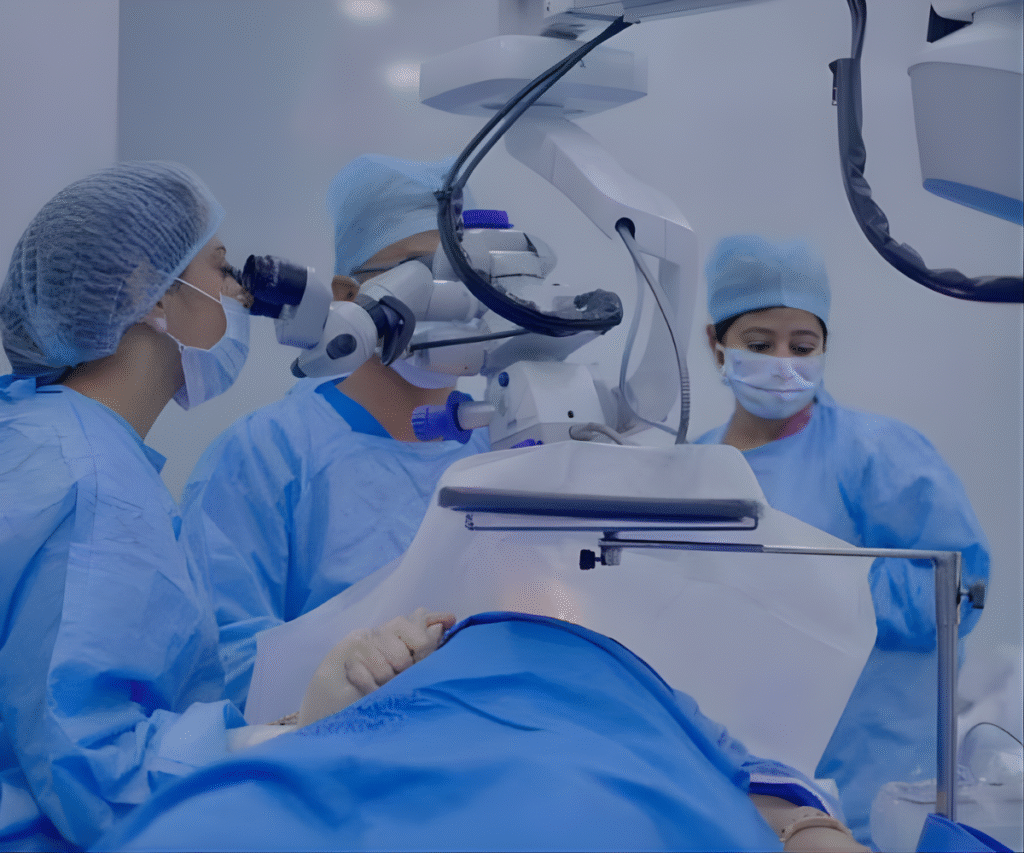
- Topical Anesthesia: The procedure is performed under topical anesthesia (eye drops only) — ensuring a comfortable and painless experience without any injections.
- Micro Incision: A tiny incision is made on the cornea to access the cloudy lens.
- Cataract Removal: The cloudy lens is gently broken up and removed using advanced phacoemulsification or femtosecond laser technology, depending on your selected procedure.
- Lens Implantation: A premium IOL (Intraocular Lens) — such as monofocal, multifocal, toric, or trifocal — is carefully implanted to restore clear vision.
- Quick Procedure: The surgery takes just 10–15 minutes, and you can return home the same day.
Post-Surgery Care and Recovery
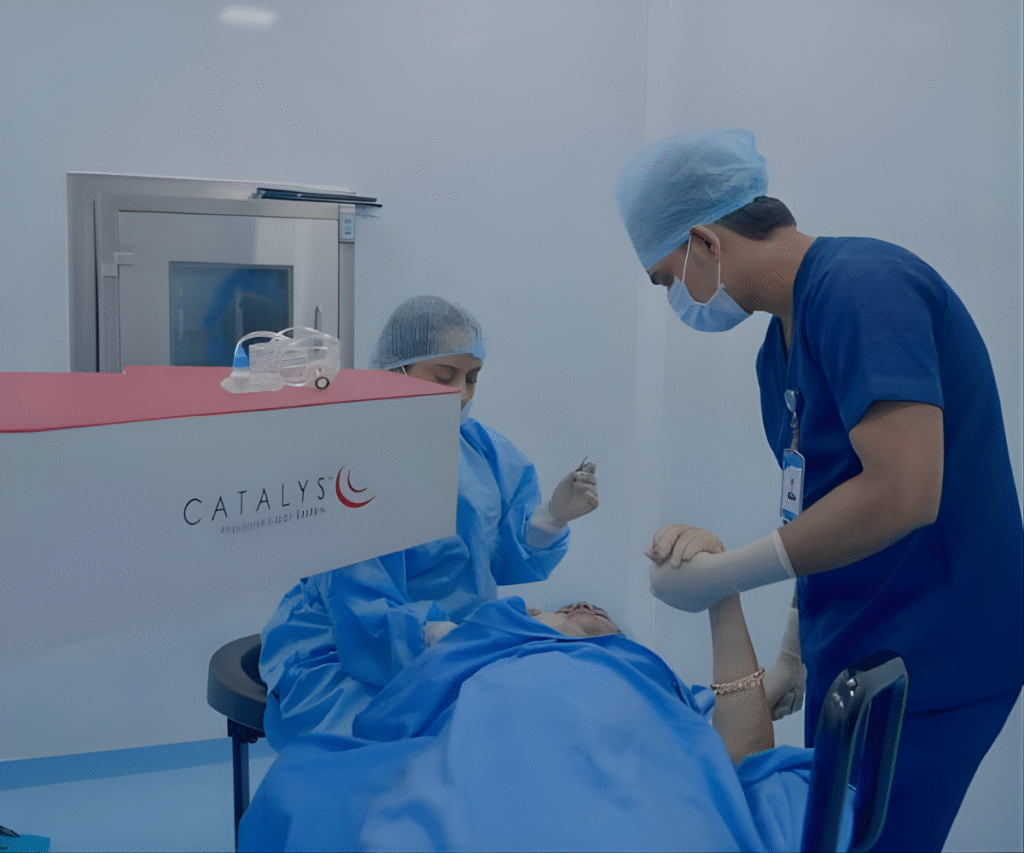
- Immediate Rest: After surgery, your eye will be covered with a protective shield, and you’ll rest briefly before discharge.
- Use Prescribed Drops: Follow your doctor’s instructions carefully regarding antibiotic and anti-inflammatory eye drops.
- Protect Your Eyes: Avoid rubbing your eyes, bending forward, lifting heavy objects, or exposing your eyes to dust or water for the first few days.
- Follow-Up Visits: Attend all scheduled review appointments to ensure proper healing and monitor your visual recovery.
- Faster Recovery: Most patients notice clearer vision within 24–48 hours, with complete recovery in 2–4 weeks.
- When to Call the Doctor: Contact your surgeon immediately if you experience severe pain, redness, or sudden drop in vision.
FAQ’s
Frequently Asked Question
No, cataract surgery is completely painless. At Dr. Akbar Super Speciality Eye Hospitals, the procedure is performed under topical anesthesia (eye drops only) — no injections, no stitches, and no general anesthesia. You’ll be awake and comfortable throughout the surgery, feeling only mild pressure or a cool water sensation.
Most patients notice clearer vision within 24–48 hours after surgery. You can resume light activities the very next day, but we recommend avoiding water exposure, eye rubbing, or heavy lifting for a few days. Full recovery and stabilization of vision typically occur within 2–4 weeks.
The best lens depends on your visual needs and lifestyle. Our counsellors and surgeons will guide you through all options — including Monofocal, Multifocal, Toric, and Trifocal IOLs — to help you choose the one that offers the best vision and comfort.
Yes, cataract surgery is covered under most health insurance plans. Our insurance team will assist you with pre-authorization and claim procedures. We are empaneled with major TPA and government schemes for smooth, cashless processing.
At Dr. Akbar Eye Hospital, we combine advanced technology with expert care. Our surgeons use the latest Robotic and Femto Laser systems to ensure precise and safe cataract surgery. With personalized care, premium lens options, and convenient locations across Telangana and Andhra Pradesh, we are committed to restoring your vision with excellence.


Easy Finance
Pay later with easy finance options

At Dr.Akbar Super Speciality Eye Hospitals, the best eye care hospital in Hyderabad, we offer different treatment plans to make it easier for our patients; by providing a 0% finance* option for all our surgeries, we take a step closer to a holistic patient care policy.
Easy Installments
A refined version of Phaco with even smaller incisions, promoting faster healing and reduced risk of complications.
0% Interest
A refined version of Phaco with even smaller incisions, promoting faster healing and reduced risk of complications.
Instant Approval
A refined version of Phaco with even smaller incisions, promoting faster healing and reduced risk of complications.
Flexible Tenors
A refined version of Phaco with even smaller incisions, promoting faster healing and reduced risk of complications.