

Glaucoma is a group of eye disorders that damage the optic nerve, often due to increased pressure inside the eye (intraocular pressure or IOP). It develops gradually and is known as the ‘silent thief of sight’ because it often has no symptoms until significant vision loss has occurred. If left untreated, glaucoma can lead to irreversible blindness. Regular eye check-ups are essential for early detection and prevention of vision loss.
Certain factors can increase the likelihood of developing glaucoma, including:
Diabetes, high blood pressure, and cardiovascular diseases can contribute.
High myopia (nearsightedness) or previous eye injuries.
Long-term use of corticosteroid medications.
| Lens Type | Description |
|---|
| Lens Type | Description |
|---|
| Monofocal | Corrects vision for distance only; requires glasses for computer use and reading. |
| EDOF(Extended Depth of focus) | Corrects vision for Distance+ Intermediate + Near without the need for glasses. No halos & glare. |
| Multifocal | Corrects vision for Distance + Intermediate + Near without the need for glasses. May cause halos & glare. |
| Toric IOL (For Astigmatism) | Corrects astigmatism (cylinder > 0.75). Available in Monofocal, EDOF, Multifocal, Trifocal options. |
A minimally invasive method where high-frequency sound waves are used to break up the cataract, which is then removed via a small incision.
A refined version of Phaco with even smaller incisions, promoting faster healing and reduced risk of complications.
A cutting-edge technology that uses a precise, controlled micro-pulse to create the perfect circular opening in the lens capsule during surgery. It provides more accuracy and faster recovery.
An advanced, Artificial Intelligence-based robotic surgery that uses femtosecond lasers for precise lens fragmentation, improving the accuracy and outcomes of cataract surgery. This is the latest in cataract surgery and offers exceptional control for the surgeon.
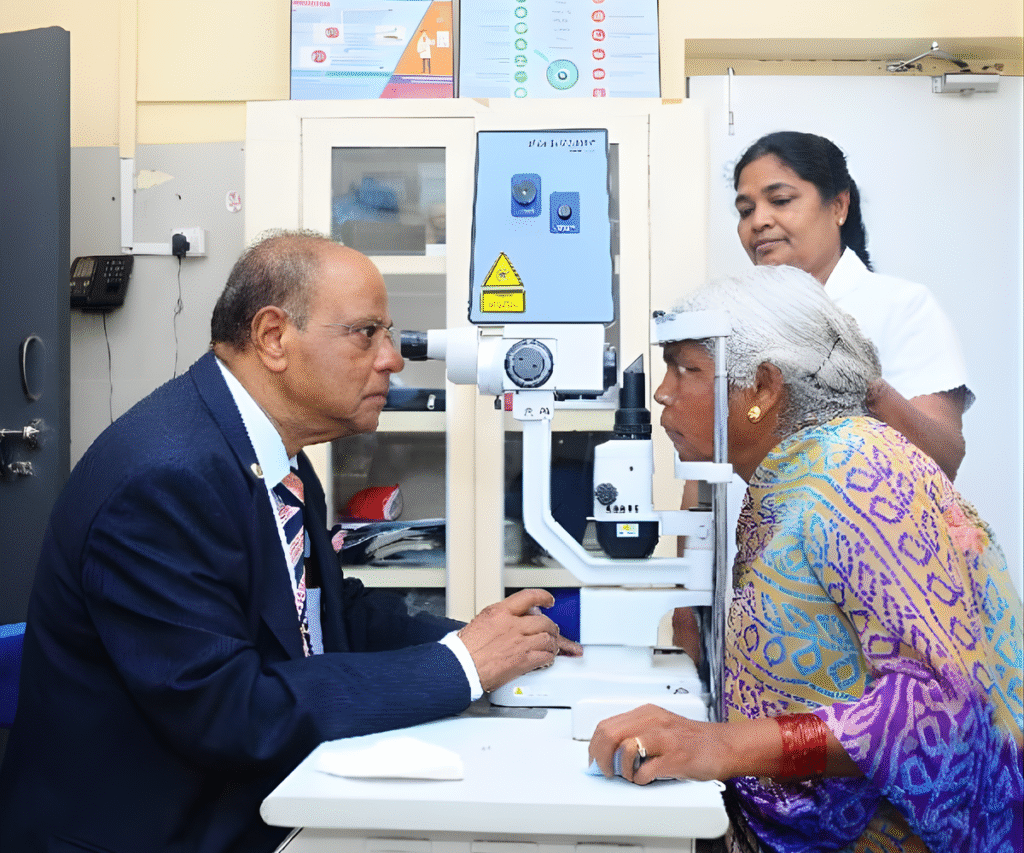
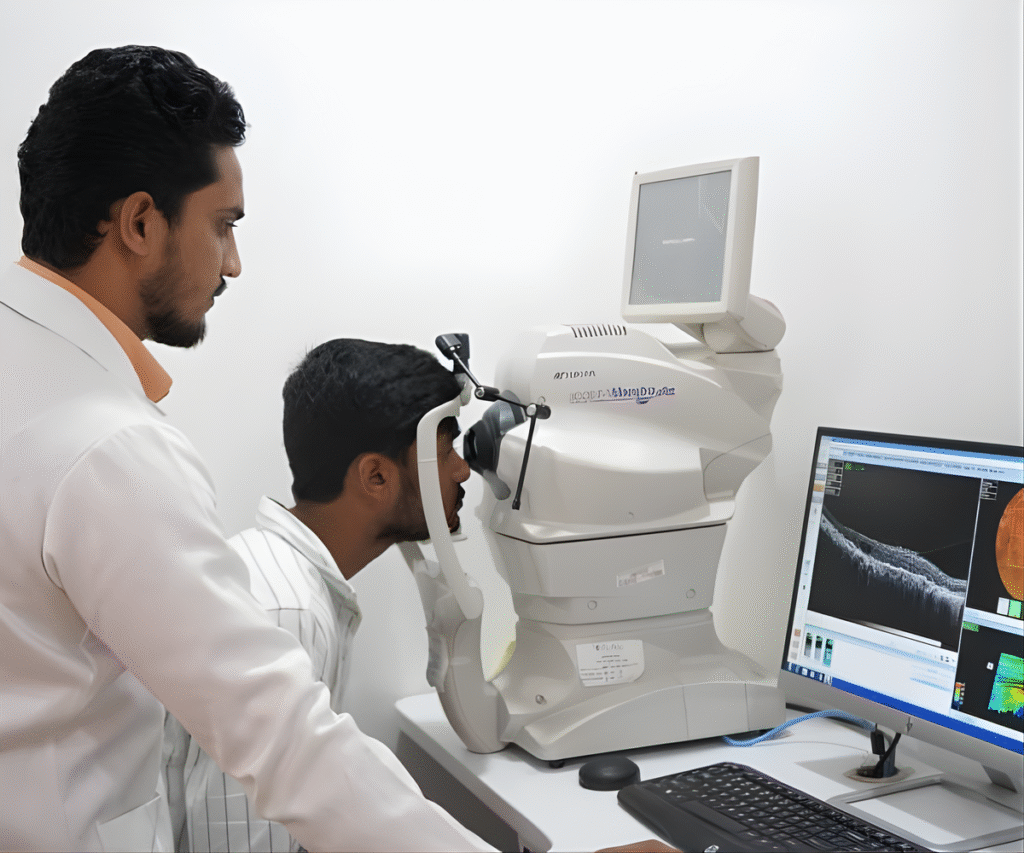
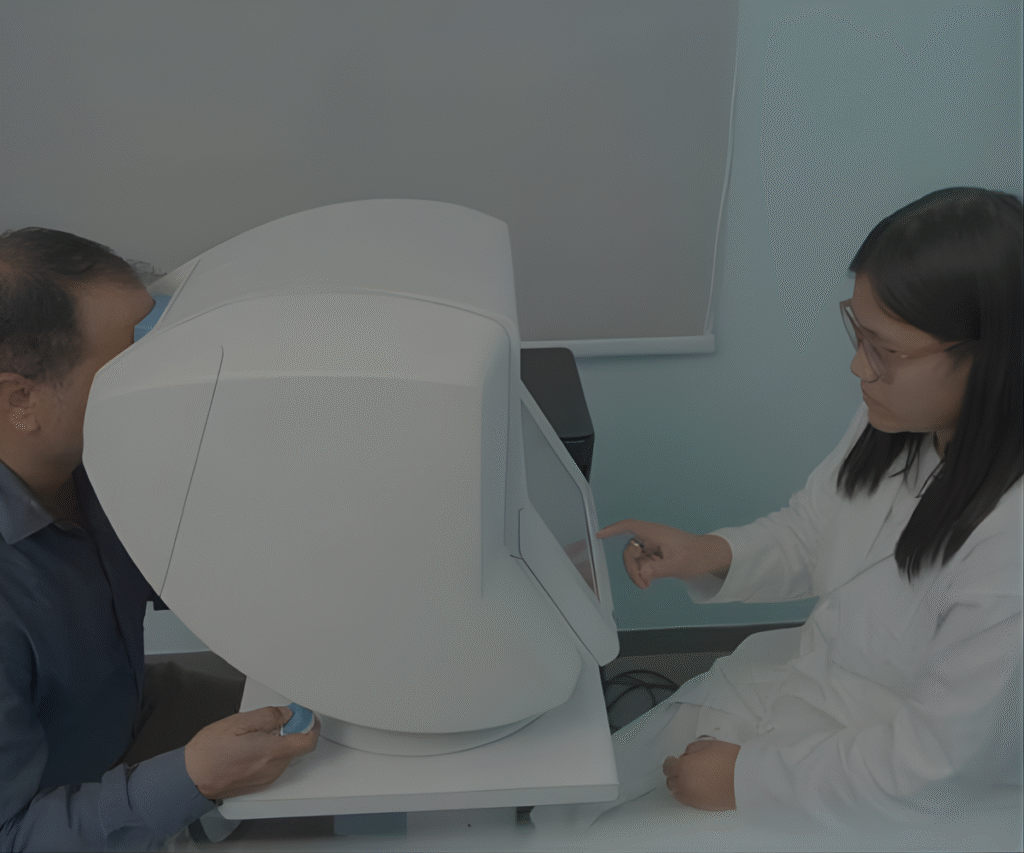
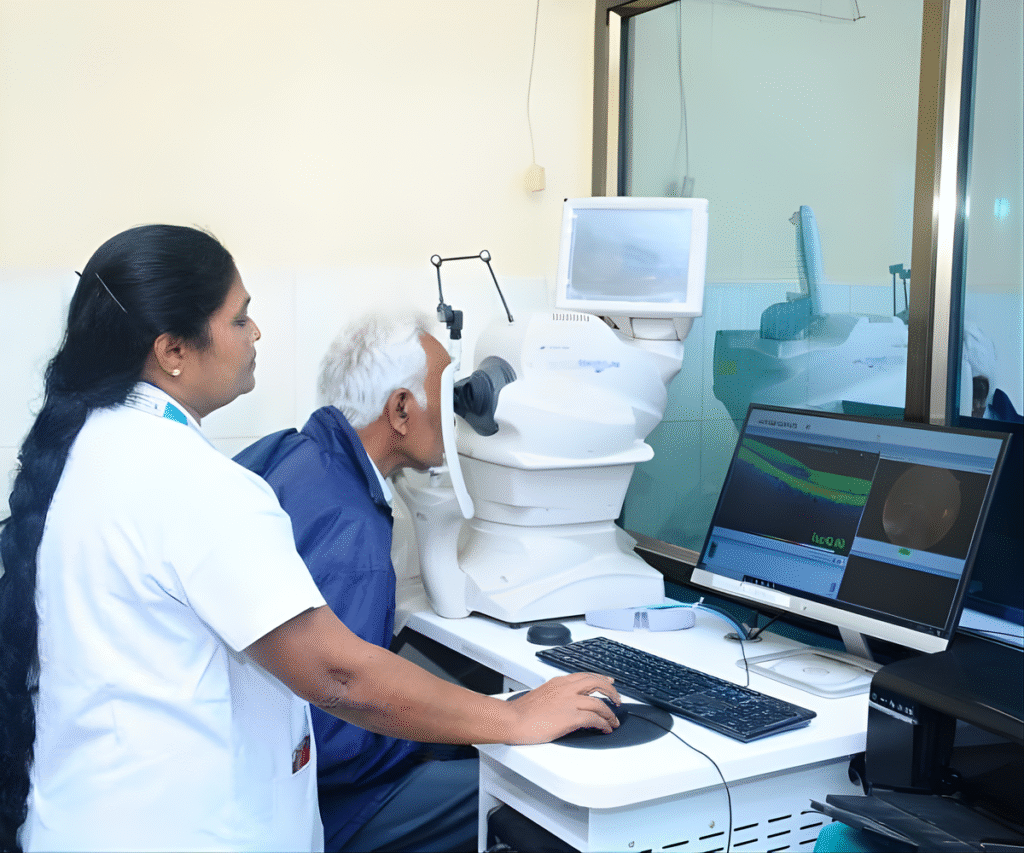
Innovative equipment ensures precise diagnosis and effective treatment:
Ultrasound Scanning
3D imaging of optic nerve
Dual-purpose laser system
Visual field
Testing
Equipped with special lenses to correct mild misalignments and manage double vision.
Temporarily relaxes overactive eye muscles, improving alignment.
Utilizes computerized programs and VR simulations to strengthen eye muscles and enhance coordination.
Eye drops are the first line of treatment for glaucoma. They work by either reducing fluid production in the eye or improving fluid drainage, thereby lowering intraocular pressure.
Minimally invasive laser procedures are highly effective for controlling eye pressure:
When medications and laser therapy are insufficient, surgical intervention may be required to improve fluid drainage and protect the optic nerve:
Accurate diagnosis of glaucoma involves a combination of advanced tools and techniques:
Measures intraocular pressure
Examines the optic nerve for damage.
Maps peripheral vision to detect vision loss.
Assesses the eye's drainage angle to determine glaucoma type.
No, but it can be controlled to prevent further damage.
Not if diagnosed early and treated properly. Regular follow-ups are critical.
Most types are painless. Acute glaucoma can cause pain and needs urgent care.
Every 1–2 years after 40, or more frequently if you have risk factors.
Treatment controls pressure but regular monitoring is required lifelong.
At Dr.Akbar Super Speciality Eye Hospitals, the best eye care hospital in Hyderabad, we offer different treatment plans to make it easier for our patients; by providing a 0% finance* option for all our surgeries, we take a step closer to a holistic patient care policy.
A refined version of Phaco with even smaller incisions, promoting faster healing and reduced risk of complications.
No, but it can be controlled to prevent further damage.
Not if diagnosed early and treated properly. Regular follow-ups are critical.
Most types are painless. Acute glaucoma can cause pain and needs urgent care.
Every 1–2 years after 40, or more frequently if you have risk factors.
Treatment controls pressure but regular monitoring is required lifelong.