What is Dry Eye Syndrome?
Dry Eye Syndrome is a common eye condition that occurs when your eyes don’t produce enough tears or when the tears evaporate too quickly. Tears are essential to keep the surface of the eye lubricated, wash away dust and debris, and protect against infection. When this balance is disrupted, it can lead to irritation, discomfort, and even vision problems. If left untreated, dry eye can affect daily activities like reading, screen use, and contact lens wear.

Common Symptoms of Dry Eye Syndrome
Oculoplastic surgery is recommended for individuals who have conditions affecting the eyes, eyelids, tear ducts, or the structures around the eyes.
Stinging or burning sensation in the eyes
Redness or Irritation
Sensitivity to Light (photophobia)
Blurred or Fluctuating Vision, Especially After Screen Use or Reading
Gritty or Foreign-Body Sensation
Excessive Tearing (Reflex Tearing Due to Dryness)
Causes & Risk Factors
Dry eye is more prevalent in older adults, women after menopause, and individuals exposed to dry environments or digital screens for long durations.
Prolonged Screen Time or Reduced Blinking
Aging and Hormonal Changes (more common in postmenopausal women)
Contact lens use
Environmental Factors Such as Wind, AC, Heat, or Smoke
Autoimmune Conditions (Sjögren’s syndrome, Rheumatoid Arthritis)
Medications like Antihistamines, Antidepressants, or Diuretics
Meibomian Gland Dysfunction Leading to Increased Tear Evaporation
Who Can Have Dry Eye?
Dry eye syndrome can affect:
Adults over 40
People Who Spend Long Hours on Computers, Mobiles, or TV
Contact Lens Users
Postmenopausal women
Individuals with Thyroid Disorders, Diabetes, or Autoimmune Diseases
People Working in Air-Conditioned, Dusty, or Low-Humidity Environments
Cataract Surgery
Latest Technology for Dry Eye Management
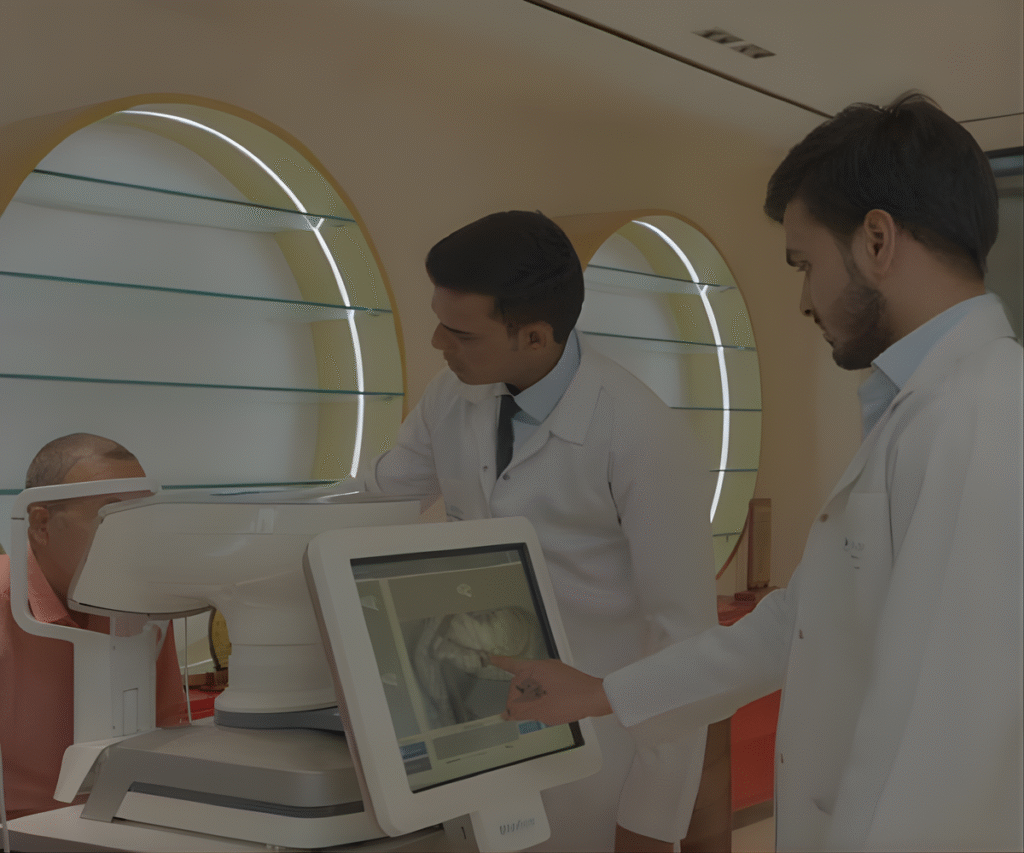
Eye doctors use advanced diagnostic tools to identify dry eye syndrome.
Vision Assessment and Refraction
Tailored vision tests to identify refractive errors.
LipiView® II
Advanced tear film and lipid layer analysis.
LipiFlow® Thermal Pulsation System
FDA-approved treatment for meibomian gland dysfunction.
Infection and Allergy Management
Enables robotic precision for exceptional outcomes.
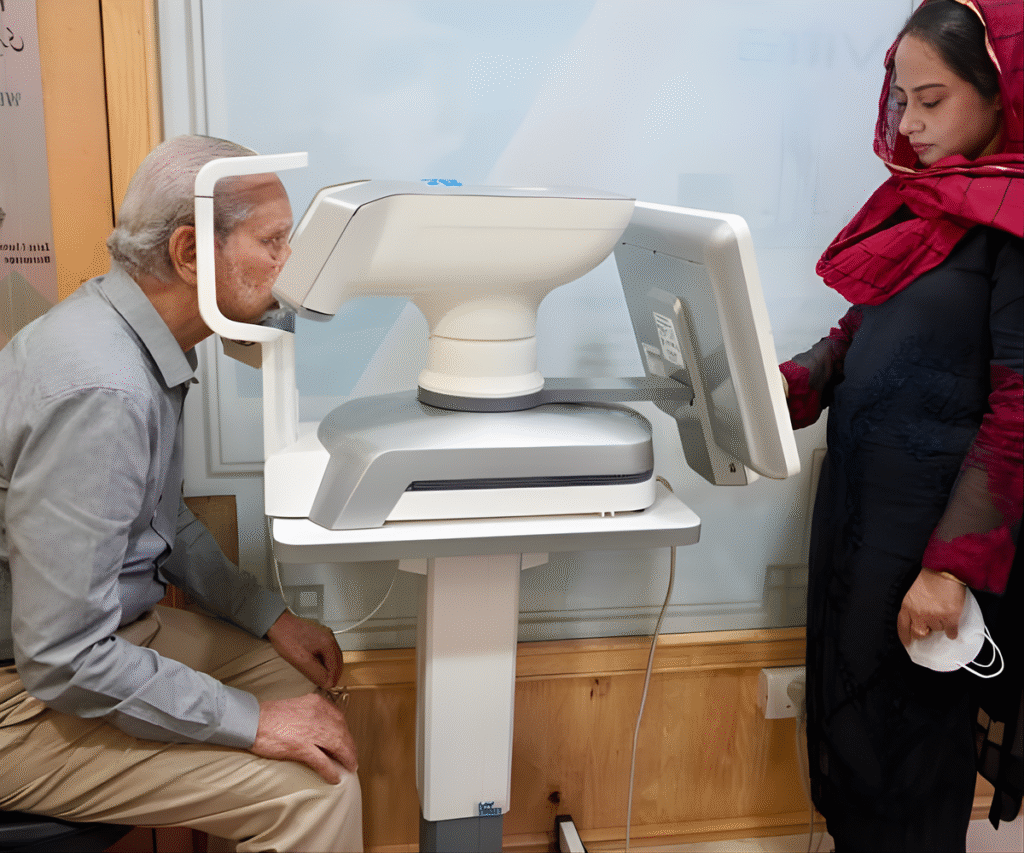
Dry Eye Diagnosed at Akbar Eye Hospital
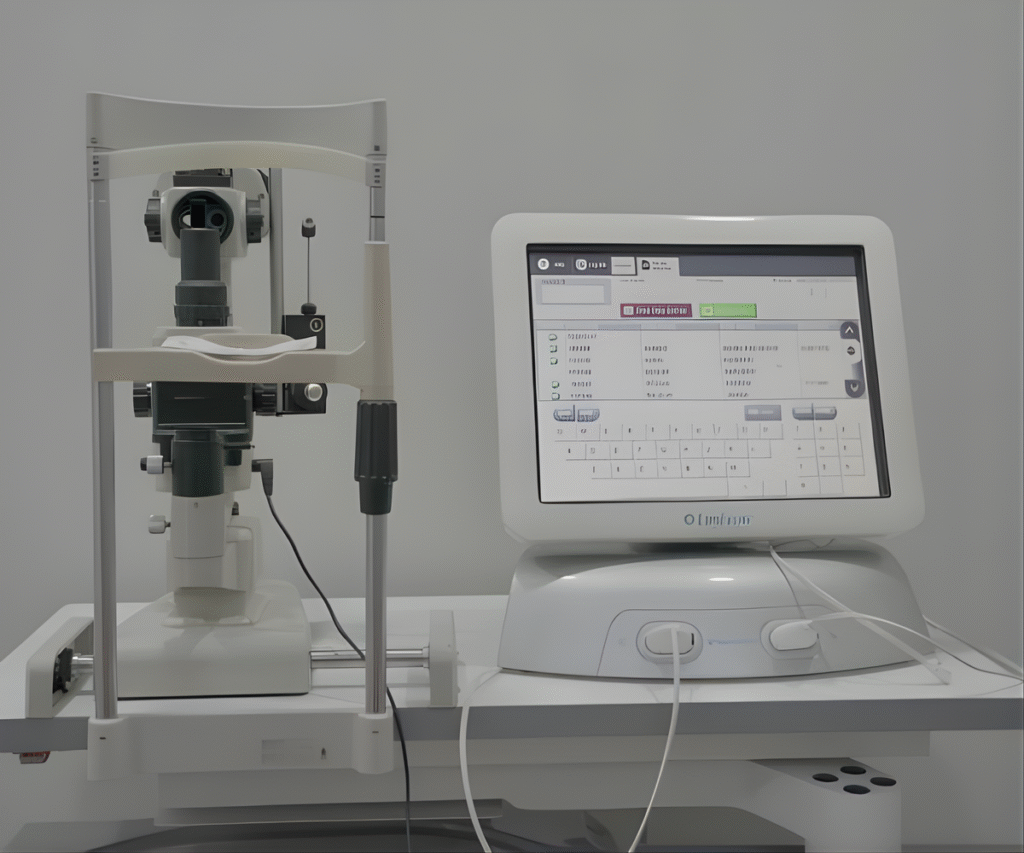
At Dr. Akbar Eye Hospital, we use advanced, non-invasive diagnostic tools to identify the type and severity of dry eye so that the treatment is customized for every patient.
LipiView® II Ocular Surface Interferometer – Analyzes the lipid (oil) layer of the tear film, measures tear thickness and stability, and helps detect meibomian gland dysfunction.
This detailed analysis helps our specialists decide whether the dryness is due to poor tear production or increased tear evaporation.
Dry Eye Treatment
Our approach to treating dry eye is modern, effective, and focused on treating the root cause — especially meibomian gland dysfunction.
- LipiFlow® Thermal Pulsation System – A 12-minute, outpatient, painless procedure that uses gentle heat and pressure to unblock the oil-producing meibomian glands. This restores the natural oil layer of the tear film and prevents tears from evaporating too quickly.
- Non-surgical and drug-free – No injections, no incisions, and no systemic medications.
- Improves long-term tear film quality and patient comfort.
- May be combined with lubricating eye drops, lid hygiene, or lifestyle modification for best results.
Types of Cataracts
Technology We Use
Examination
For more details on these advanced technologies, you can explore:
- LipiFlow Treatment
- LipiView Interferometer
LipiView® II – Advanced tear film analysis
A revolutionary device for treating meibomian gland dysfunction.
LipiFlow® System – FDA-approved, automated thermal pulsation treatment Learn More
Provides detailed analysis of tear film composition.
FAQ’s
Frequently Asked Question
While it cannot be permanently cured, symptoms can be effectively managed with proper diagnosis and advanced treatments like LipiFlow® and LipiView®.
No, it’s a completely painless and comfortable 12-minute outpatient procedure.
Most patients experience relief lasting 6–12 months or longer, depending on individual tear gland health and lifestyle.
Artificial tears may provide temporary relief, but they do not treat the root cause. Professional evaluation is needed for lasting results.
Patients with active eye infections or recent eye surgeries should postpone treatment until cleared by their doctor.
Many patients report improvement within a few days to weeks after the procedure.
Easy Finance
Pay later with easy finance options

At Dr.Akbar Super Speciality Eye Hospitals, the best eye care hospital in Hyderabad, we offer different treatment plans to make it easier for our patients; by providing a 0% finance* option for all our surgeries, we take a step closer to a holistic patient care policy.
Easy Installments
A refined version of Phaco with even smaller incisions, promoting faster healing and reduced risk of complications.
0% Interest
A refined version of Phaco with even smaller incisions, promoting faster healing and reduced risk of complications.
Instant Approval
A refined version of Phaco with even smaller incisions, promoting faster healing and reduced risk of complications.
Flexible Tenors
A refined version of Phaco with even smaller incisions, promoting faster healing and reduced risk of complications.