
What is the Cornea?
The cornea is the transparent, dome-shaped front layer of the eye that covers the iris and pupil. It helps focus light onto the retina for clear vision and also acts as a protective shield against dust, germs, and injuries.

What is Keratoconus?
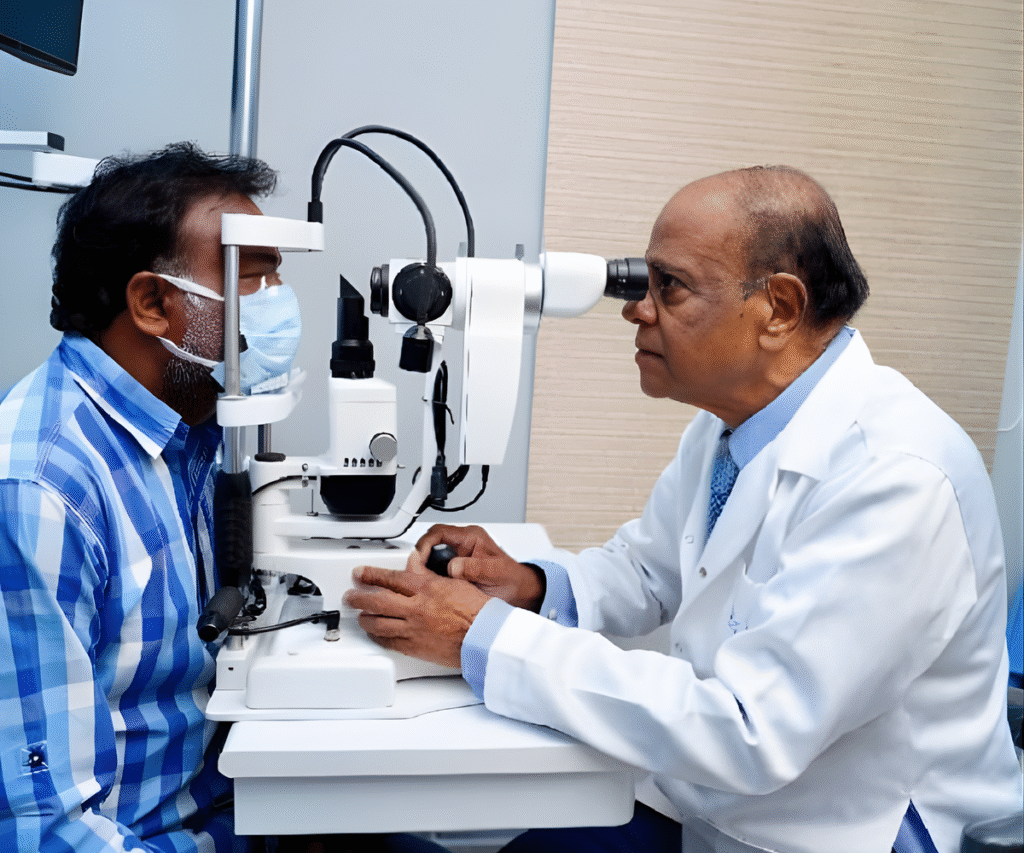
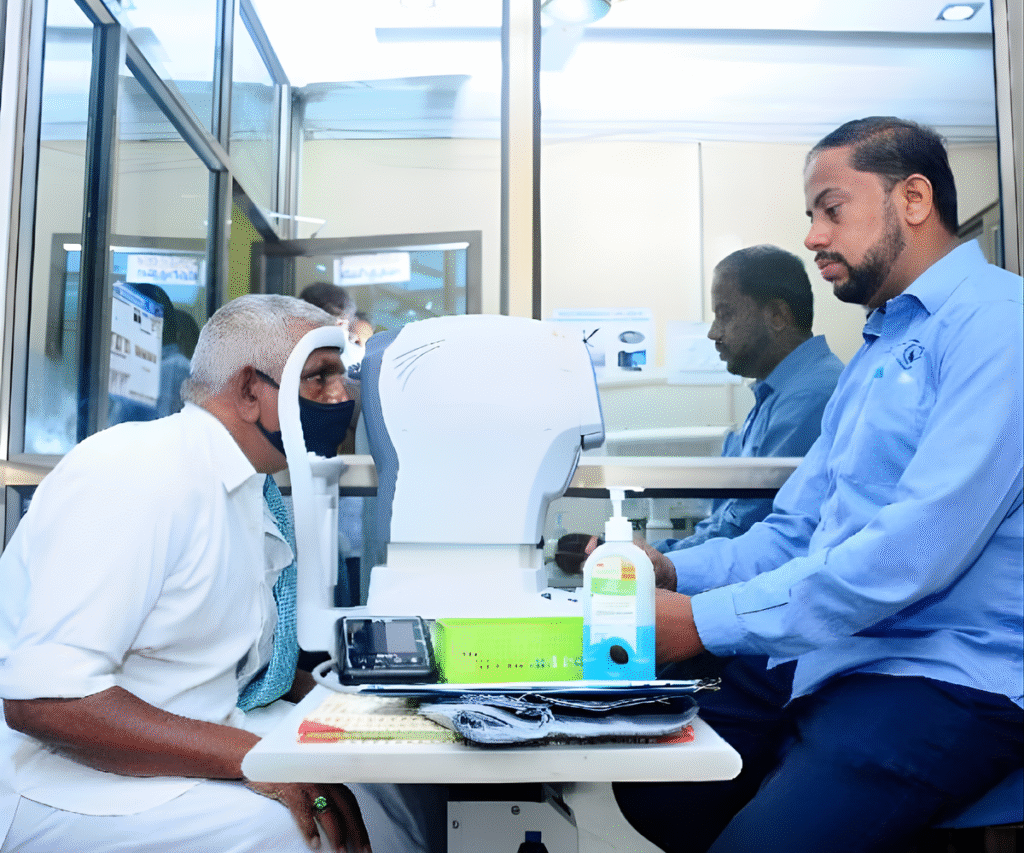
Keratoconus is a condition where the cornea becomes thin and bulges outward into a cone shape, causing distorted and blurry vision. It often begins in the teenage years and progresses gradually. Early diagnosis and timely management can help slow progression and preserve vision.
What Causes
Causes & Risk Factors
Genetic predisposition or family history
Frequent or forceful eye rubbing
Allergic or chronic eye inflammation
Connective tissue disorders
Environmental or oxidative stress factors
Medications like antihistamines or antidepressants
Common Symptoms of Keratoconus
Oculoplastic surgery is recommended for individuals who have conditions affecting the eyes, eyelids, tear ducts, or the structures around the eyes.
Treatment Options for Keratoconus
Treatment for keratoconus depends on its stage and severity. At Dr. Akbar Super Speciality Eye Hospitals, we provide personalized care to restore vision and prevent further progression.
Glasses or Soft Lenses
Useful for early stages with mild visual distortion.
Rigid Gas Permeable (RGP) or Scleral Lenses
Correct vision by creating a smooth optical surface over the irregular cornea.
Corneal Cross-Linking (CXL)
A UV and Vitamin B2 treatment that strengthens the cornea to stop disease progression.
Intacs
Small corneal implants that reshape the cornea and improve clarity for patients who cannot tolerate lenses.
Corneal Transplant
For advanced cases with severe corneal thinning or scarring.
Combination Therapies
CXL with Intacs or contact lenses, depending on the individual’s condition.
Cataract Surgery
Advanced Technology We Use
We use leading-edge diagnostic and surgical equipment for accurate treatment.
High-resolution corneal mapping
Precision UV cross-linking system
Premium surgical visualization for corneal procedures
High-resolution corneal mapping
Precision UV cross-linking system
Types of Cataracts
How Pediatric Eye Treatments Work
Examination
A thorough physical examination of the child’s eyes is conducted.
Diagnosis
Tests may be ordered if a condition is suspected to identify the root cause.
Treatment
Based on the diagnosis, a personalized treatment plan is created, which may include medications, glasses, or surgical intervention.
FAQ’s
Frequently Asked Question
- NABH accredited hospital
- Robotic, laser-assisted cataract surgeries
- Decades of surgical expertise
- Advanced IOL selection tailored for every patient
- Personalized care & support before and after surgery
While it cannot be reversed, treatments like corneal cross-linking can halt its progression.
No, it is done under local anesthesia and is painless.
Rarely, if managed early and followed up regularly.
Only in advanced stages with severe thinning or scarring.
Yes, specially fitted lenses can be used comfortably after stabilization.
Easy Finance
Pay later with easy finance options

At Dr.Akbar Super Speciality Eye Hospitals, the best eye care hospital in Hyderabad, we offer different treatment plans to make it easier for our patients; by providing a 0% finance* option for all our surgeries, we take a step closer to a holistic patient care policy.
Easy Installments
A refined version of Phaco with even smaller incisions, promoting faster healing and reduced risk of complications.
0% Interest
A refined version of Phaco with even smaller incisions, promoting faster healing and reduced risk of complications.
Instant Approval
A refined version of Phaco with even smaller incisions, promoting faster healing and reduced risk of complications.
Flexible Tenors
A refined version of Phaco with even smaller incisions, promoting faster healing and reduced risk of complications.